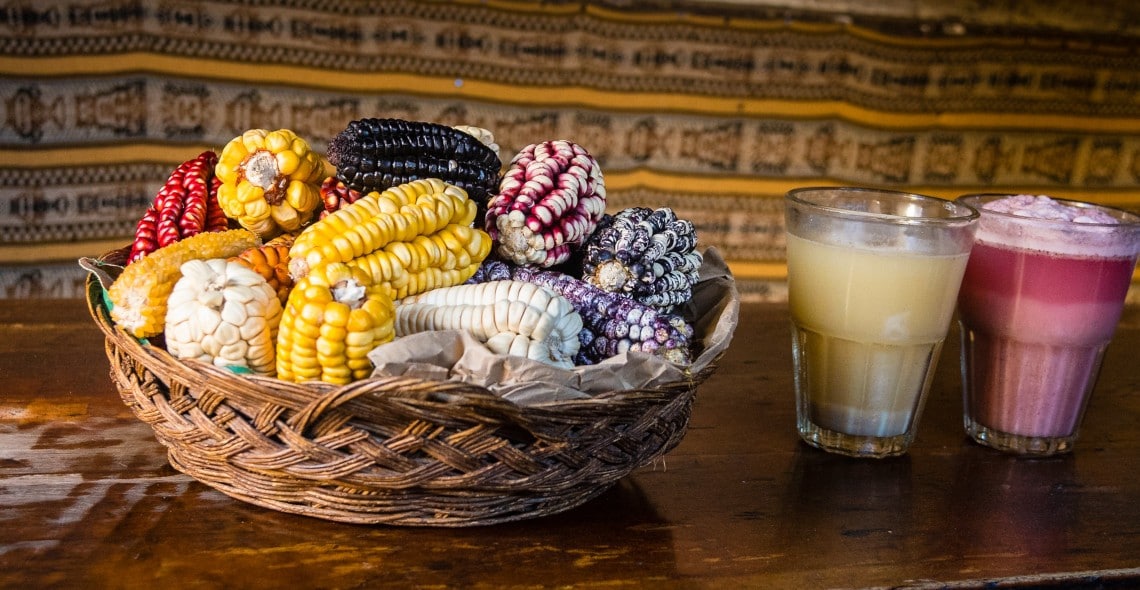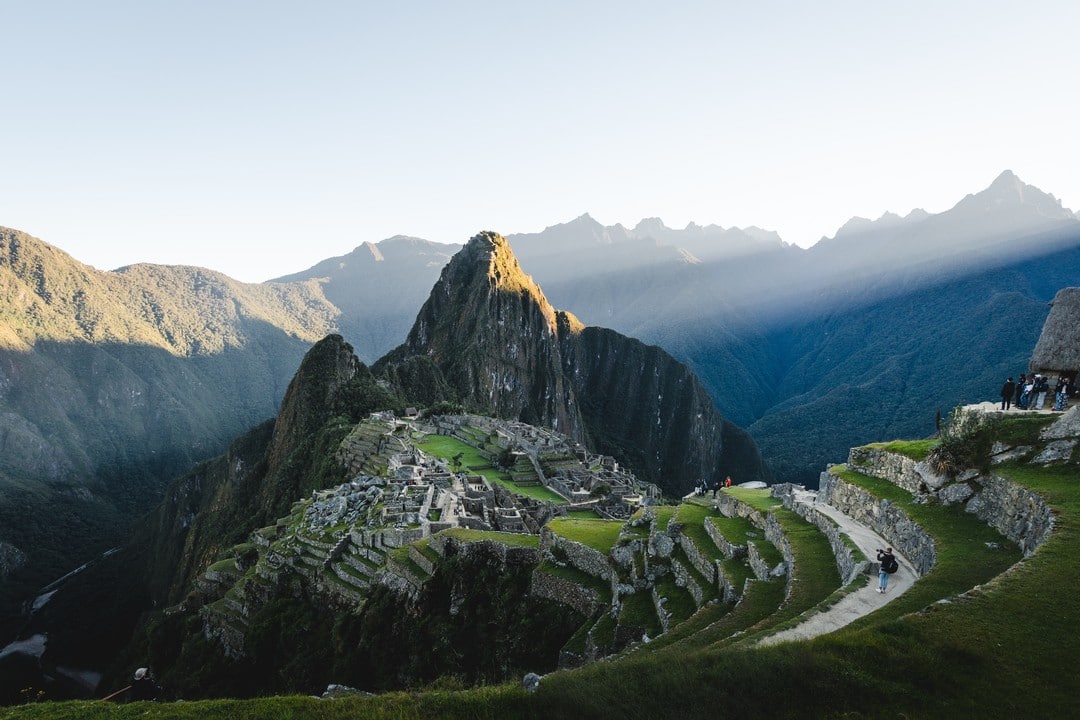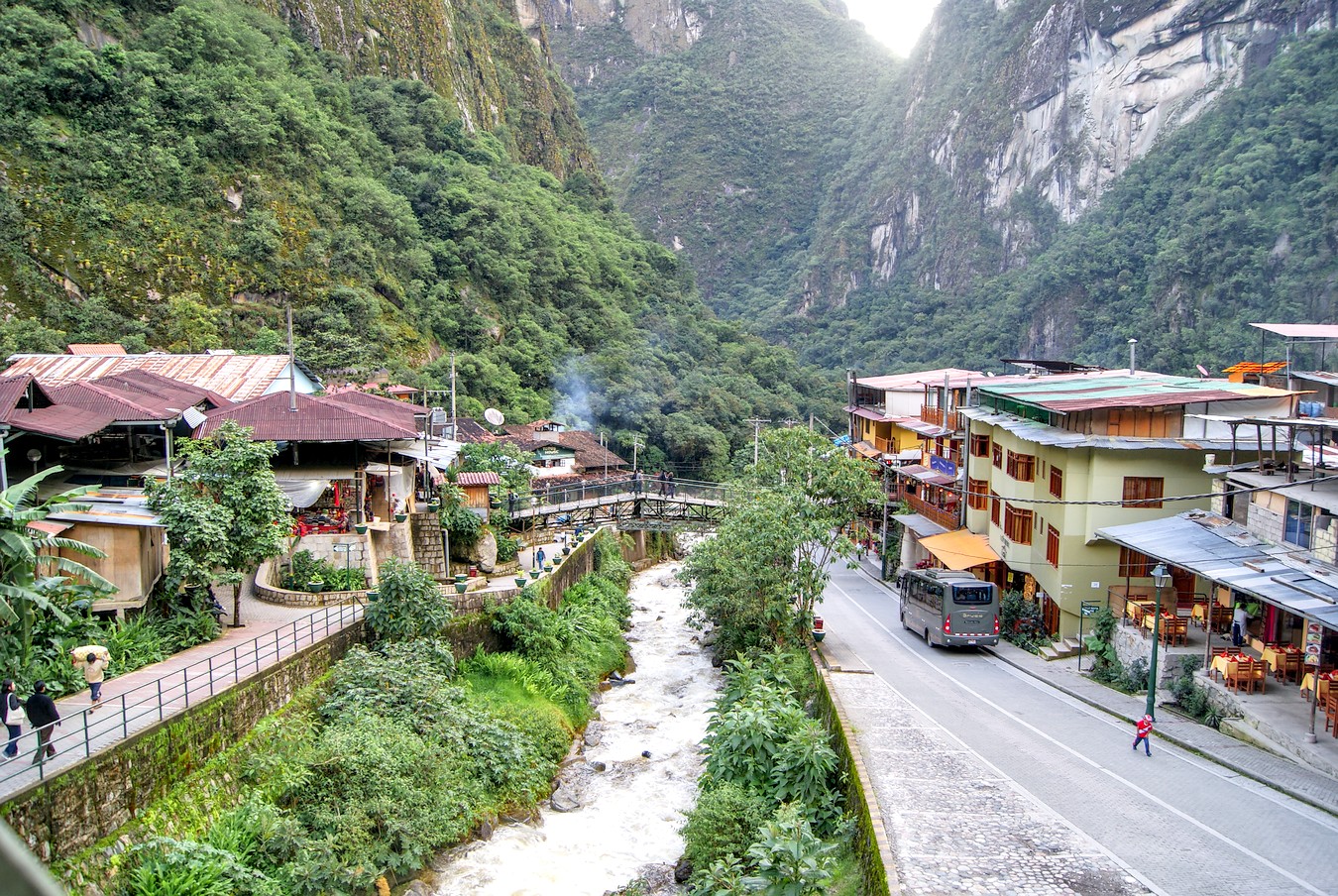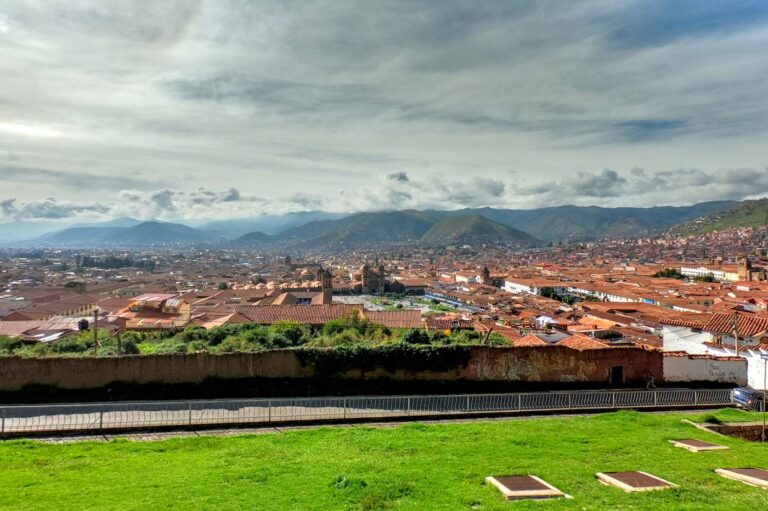
The Sacred Valley of the Incas, located between the towns of Pisaq and Ollantaytambo, was very valuable during the Tahuantinsuyo times for its geographical and weather characteristics that favor the production of the best corn in Peru. Crossed by Vilcanota River, it is one of the most visited places by tourists as it includes de archaeological sites of Sacsayhuaman, Qenko, Tambomachay, Moray, and Ollantaytambo. Its handicraft markets in Pisaq and in Chinchero are also well known.
It’s impressive geography includes terraces, ravines,snow-capped mountains and ruins once built by ancient Peruvians turning the Sacred Valley of the Incas into an ideal place for various aoutdoor activities such as mountain biking, rafting along the Urubamba river or experiencing an alternative tourism called “turismo viviencial”.
Here is an improved, more readable version of your full text. I simplified wording, broke up long sentences, improved flow, and added smooth transitions.
Where Is the Sacred Valley?
A. Geographic Overview
The Sacred Valley of the Incas is in southern Peru’s Andean highlands. It stretches from the city of Cusco to the entrance of Machu Picchu. Formed by the Urubamba River, the valley sits at a lower altitude than Cusco, making it a great place to acclimate. It begins near Pisac and continues through Urubamba and Ollantaytambo, with each town offering unique markets, culture, and archaeological sites. Its mountains, terraces, and ancient paths show just how important this region was to Inca agriculture and daily life.
B. Using a Sacred Valley of the Incas Map
To navigate easily, using a Sacred Valley of the Incas map is essential. A good map shows distances between attractions such as the Pisac ruins, Maras salt mines, and Moray terraces. This helps you plan smarter routes and reduce travel time. Before leaving Cusco, download an offline map since cell service can be unreliable. Try grouping nearby sites—like Maras and Moray—to save time and transportation costs. Whether you travel independently or with a guide, a detailed map ensures you won’t miss important highlights.
Climate and Best Time to Visit
A. Sacred Valley of the Incas Weather Overview
The Sacred Valley of the Incas weather has two main seasons: dry and wet. The dry season runs from May to October. During this time, expect sunny days, cool nights, and clear views—perfect for hiking and sightseeing. Because it’s the most popular season, book hotels and tours early.
The wet season, from November to April, transforms the valley into a green, vibrant landscape. Rain usually falls in the afternoons, while mornings remain pleasant. This season is ideal for travelers who prefer fewer crowds and lower prices. Temperatures usually range from mild days to chilly nights, especially at higher elevations. Since Andean weather is unpredictable, it’s best to prepare for quick changes.
B. What to Pack According to the Weather
Packing well will make your visit smoother. In the dry season, bring lightweight layers, a warm jacket, and strong sun protection. In the wet season, pack a waterproof jacket, quick-dry clothing, and waterproof covers for electronics.
Useful packing tips:
- Always pack layers for changing temperatures.
- Bring a hat, sunscreen, and sunglasses year-round.
- Wear sturdy walking shoes for uneven terrain.
- Carry a reusable water bottle to stay hydrated.
- Bring a compact rain poncho—even in the dry season.
By understanding the Sacred Valley of the Incas weather, you can choose the ideal time to visit and pack confidently for your trip.
Top Attractions in the Sacred Valley
The Sacred Valley is full of impressive ruins, traditional villages, and unforgettable landscapes. Below are the top attractions—and tips to help you enjoy each one.
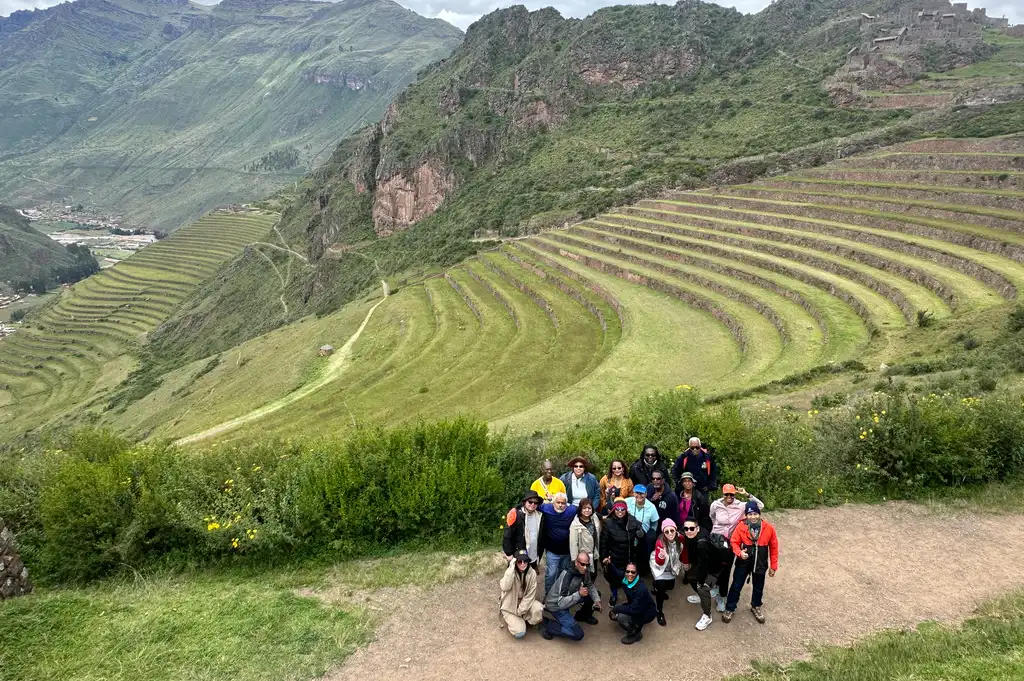
Pisac Ruins and Artisan Market
High above the town, the Pisac ruins feature terraces, ceremonial areas, and sweeping valley views. The nearby market is perfect for buying handmade textiles, jewelry, and pottery.
Tip: Visit the ruins early to avoid crowds, then explore the market before midday.
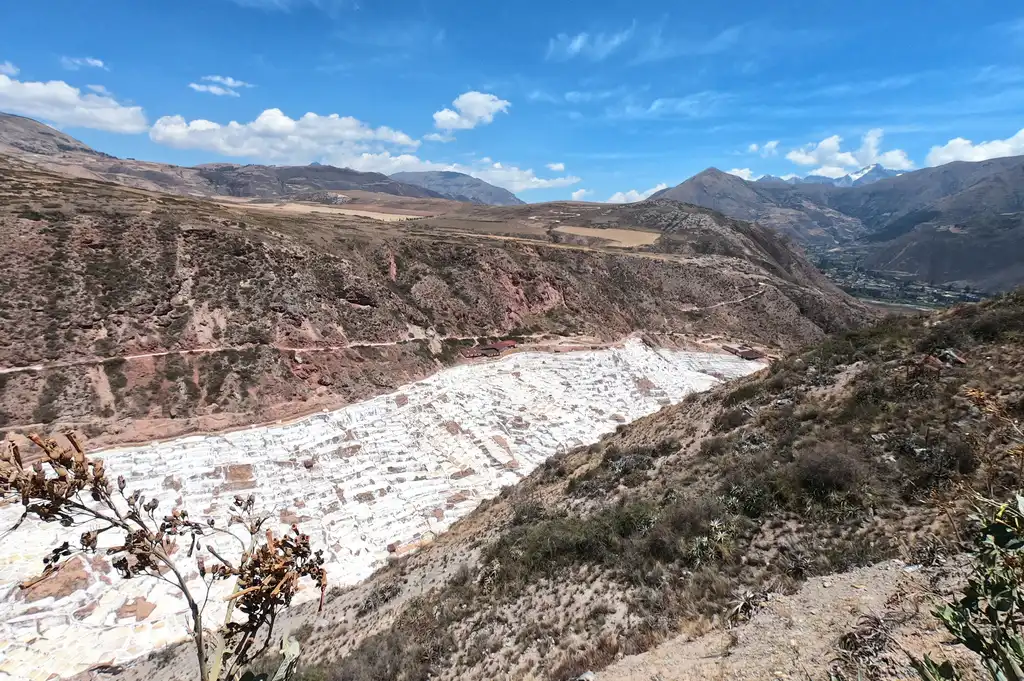
Maras Salt Mines
The Maras salt mines contain thousands of small pools fed by a natural spring. Their bright, geometric patterns make them one of the valley’s most photogenic spots.
Tip: Bring sun protection—the reflective salt intensifies sunlight. Combine Maras with Moray for an easy half-day trip.
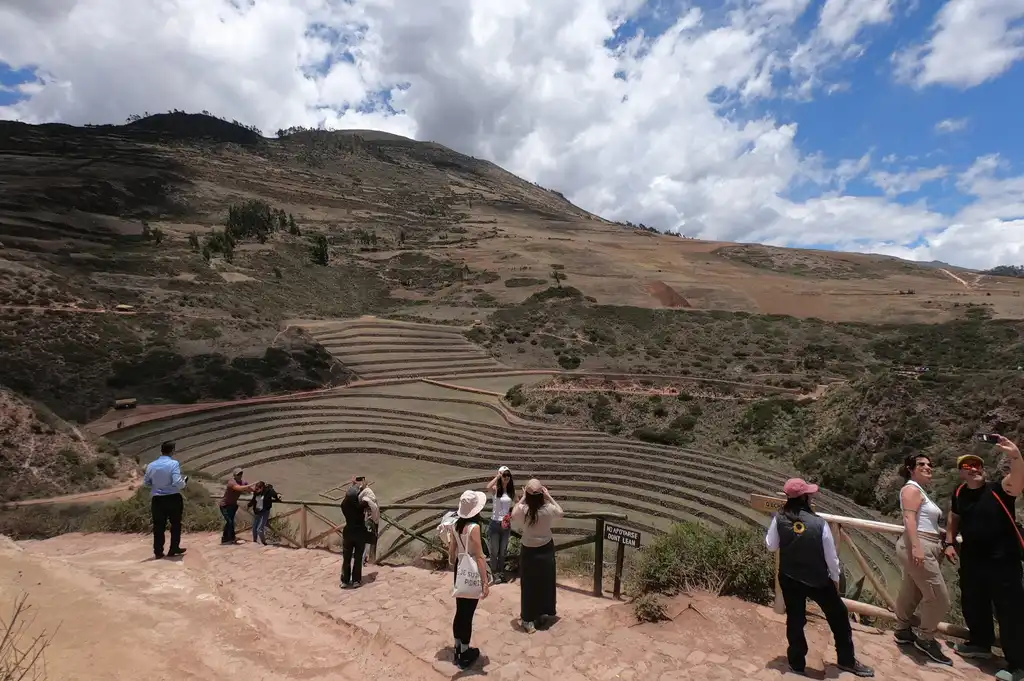
Moray Agricultural Terraces
Moray’s circular terraces may have been an Inca agricultural laboratory. Each level creates a unique microclimate used for crop experimentation.
Tip: Wear sturdy shoes and ask your driver to stop at viewpoints for great photos.
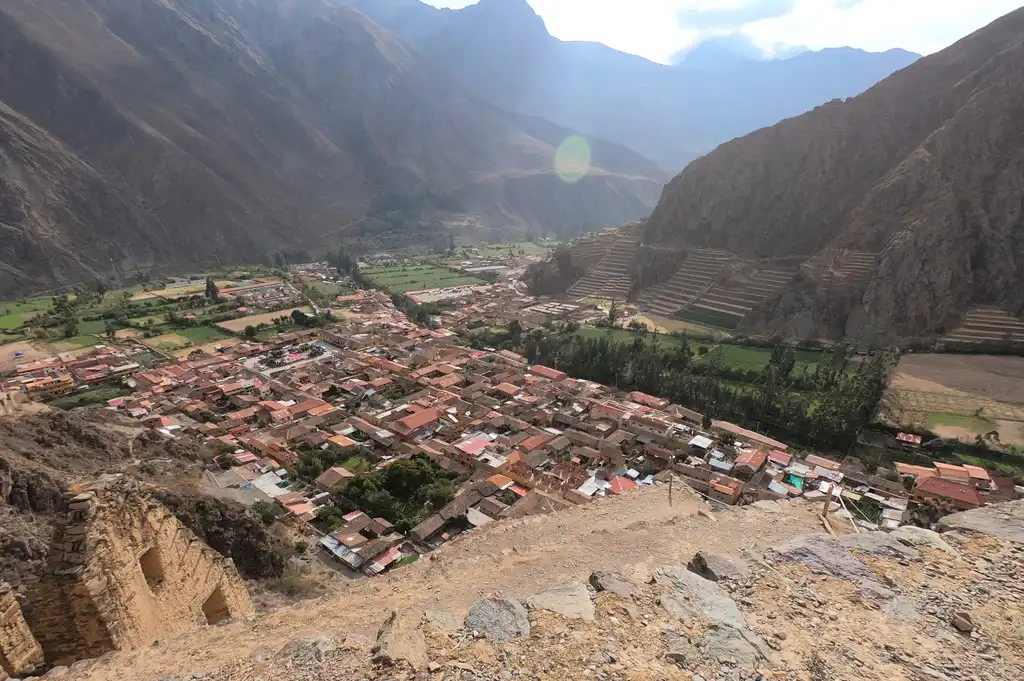
Ollantaytambo Fortress and Living Inca Town
Ollantaytambo is the best-preserved Inca town still in use today. Its fortress includes terraces, temples, and stunning views.
Tip: Arrive early to avoid crowds, especially if you’re catching the train afterward.
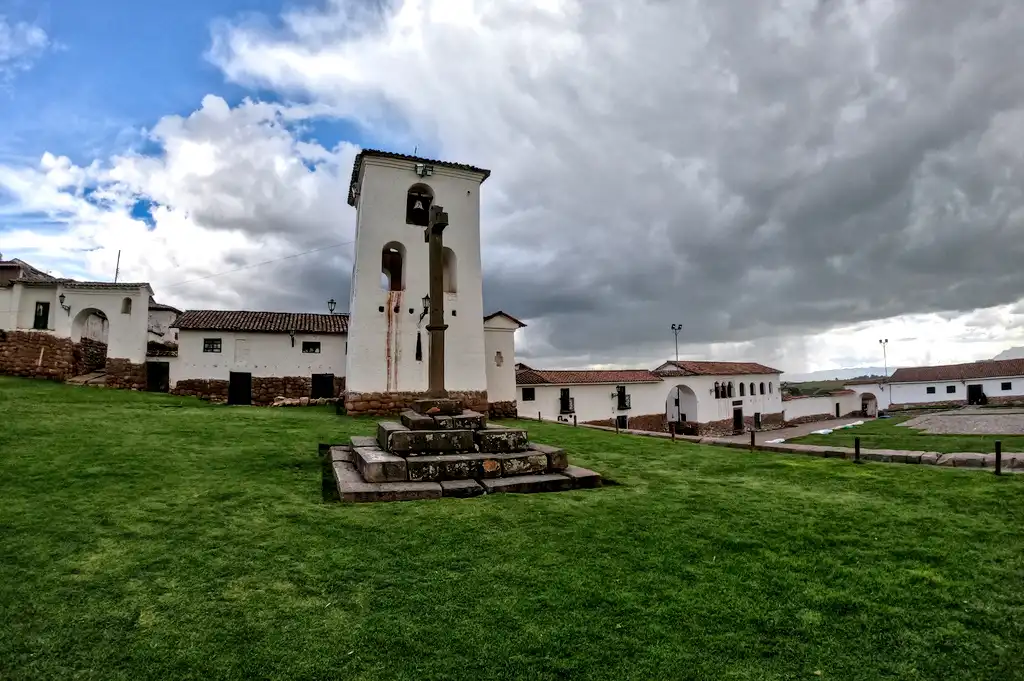
Chinchero Weaving Community
Chinchero is famous for its weaving workshops and natural dye demonstrations.
Tip: Bring cash to support artisans directly.
Planning Your Visit
Planning your Sacred Valley visit ensures a smooth and enjoyable trip. Because the valley spans several towns and archaeological sites, organizing your itinerary ahead of time saves travel time and stress. Choose a base that fits your plans—Urubamba for comfort or Ollantaytambo for easy access to Machu Picchu. Transportation is flexible, with taxis, collectivos, and private drivers available.
Group nearby attractions together, such as Maras and Moray or the Pisac ruins and market. Start early to enjoy cooler weather and fewer crowds. If altitude affects you, spend your first night in the valley instead of Cusco. Finally, book tickets and train rides early during peak season for a problem-free Sacred Valley visit.
Cultural Insights and Local Tips
Understanding local culture will greatly enrich your experience. These Sacred Valley tips will help you connect respectfully with Andean communities. Many residents speak Quechua and maintain traditions passed down for centuries. Markets in Pisac, Chinchero, and Ollantaytambo are more than shopping areas—they’re cultural hubs filled with handmade crafts and fresh produce.
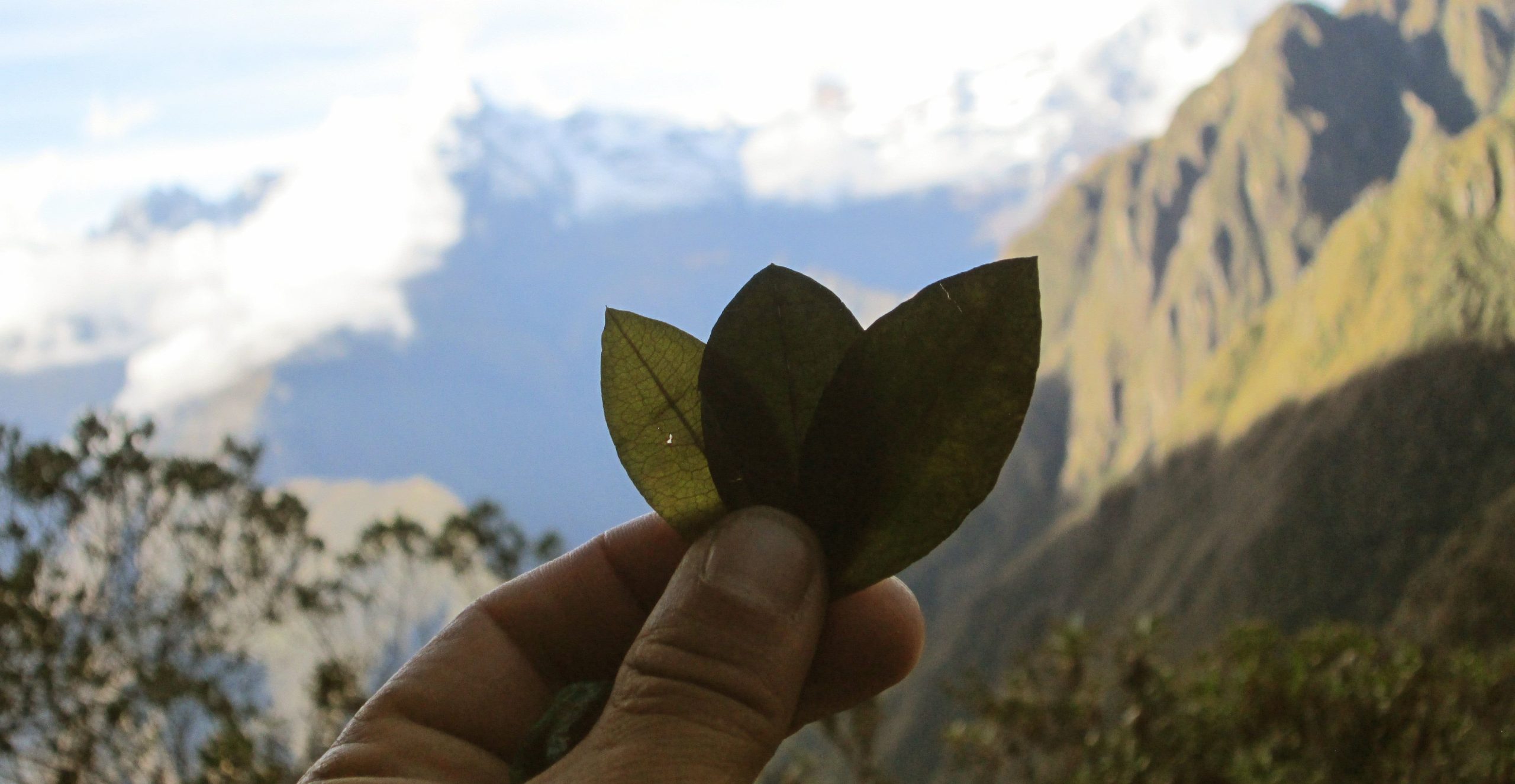
Pachamama, or Mother Earth, plays an important role in daily life. Locals sometimes offer coca leaves or food as a sign of gratitude. Respect these customs by observing quietly, asking before taking photos, and supporting local artisans.
Helpful Sacred Valley tips:
- Learn simple Quechua greetings—locals appreciate the effort.
- Carry small bills; many vendors don’t accept cards.
- Join cultural activities such as weaving or cooking classes.
- Dress modestly in traditional villages.
- Try local dishes like choclo con queso or quinoa soup.
Engaging with local traditions will make your visit more meaningful and memorable.
Conclusion
The Sacred Valley is much more than a stop between Cusco and Machu Picchu—it’s a place where Inca history, Andean culture, and breathtaking scenery come together. From Pisac’s terraces to Maras’ salt pools and the timeless streets of Ollantaytambo, the valley invites you to explore slowly and connect deeply.
For the best experience, give yourself time to enjoy each town and site. Plan your routes carefully, stay overnight in Urubamba or Ollantaytambo, and support local communities through responsible tourism. Above all, respect local customs and the natural environment. The Sacred Valley is home to families and traditions that have endured for generations.
With thoughtful planning and an open mindset, your visit will leave you with a lasting appreciation for Peru’s heritage and the enduring spirit of the Inca civilization.